10 Rules for Street Photography
Here are my rules, actually guidelines because rules are made to be broken, for street photography.
- Don't shoot people from behind (This rule can be broken for the right shot). Taking shots from behind is rarely interesting and usually done because the photographer is scared to take a shot where they might be seen.
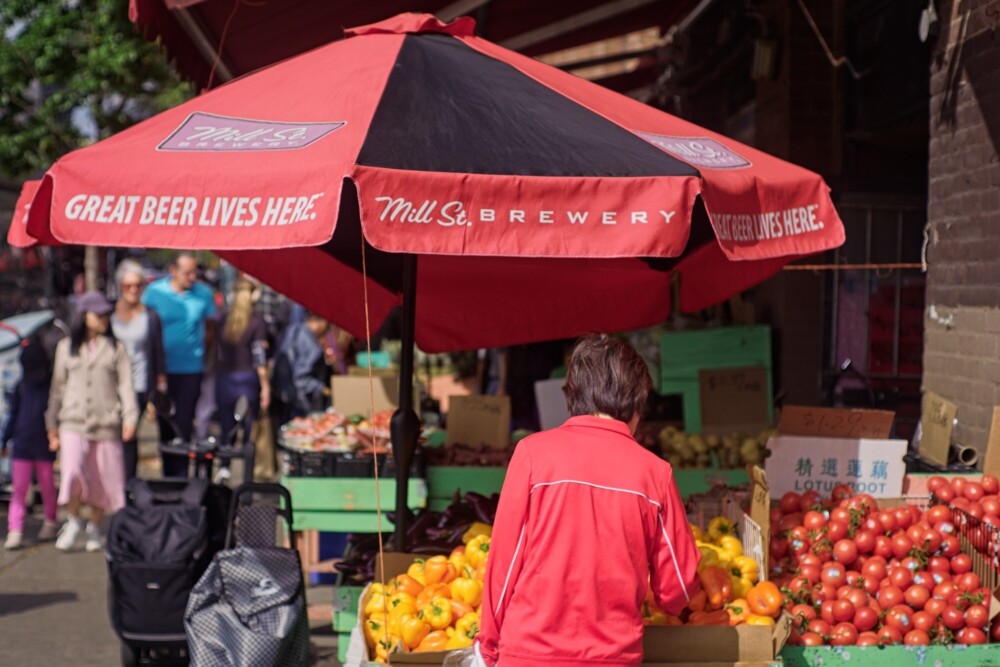
Despite the jacket color matching the red umbrella, it's still a mediocre shot at best.
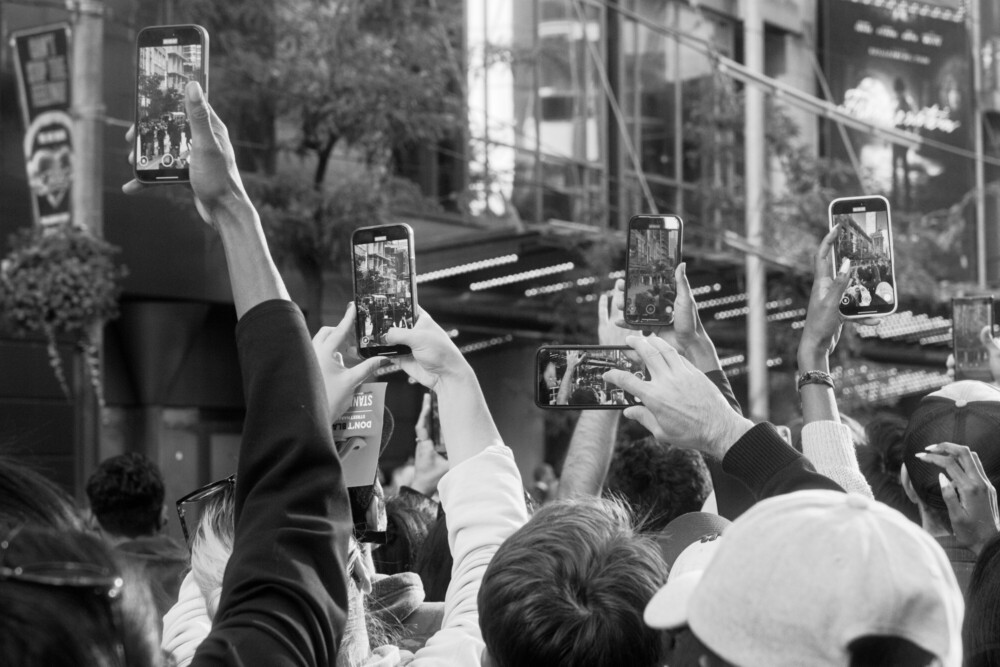
There's a story here - Why is there a crowd and what is everyone taking photos of?
- Get closer - use a wider lens 24mm, 28mm, 35mm full frame are all good starting points. A closer more intimate shot. Getting closer also removes distractions. Getting close is uncomfortable, but the results are worth it.
If your pictures aren’t good enough, you’re not close enough.
- Capture a moment or story. A photo that tells a story or captures a unique moment engages the viewer. Without a story or interesting moment it's a snapshot and will only be of interest to the person who took the shot.
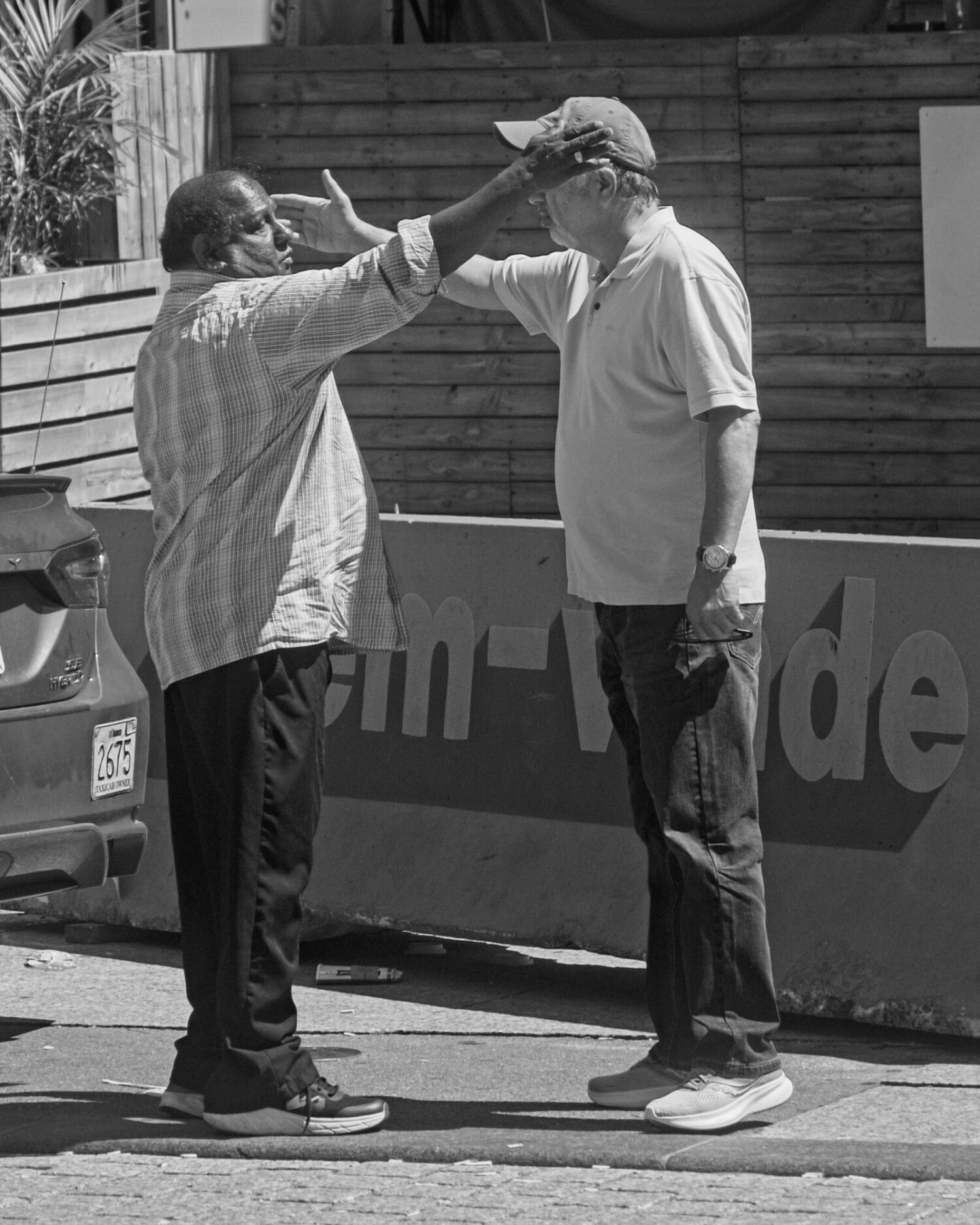
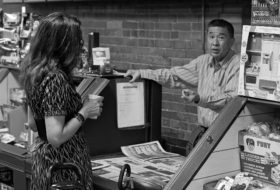
When viewing this photo, I wonder what is going on here? Are they arguing or trying to give directions?
- Shots of people walking on the street with nothing happening are boring. There should be something interesting about the person or what they are doing. If they are just walking, it's boring and best to avoid these kind of shots.
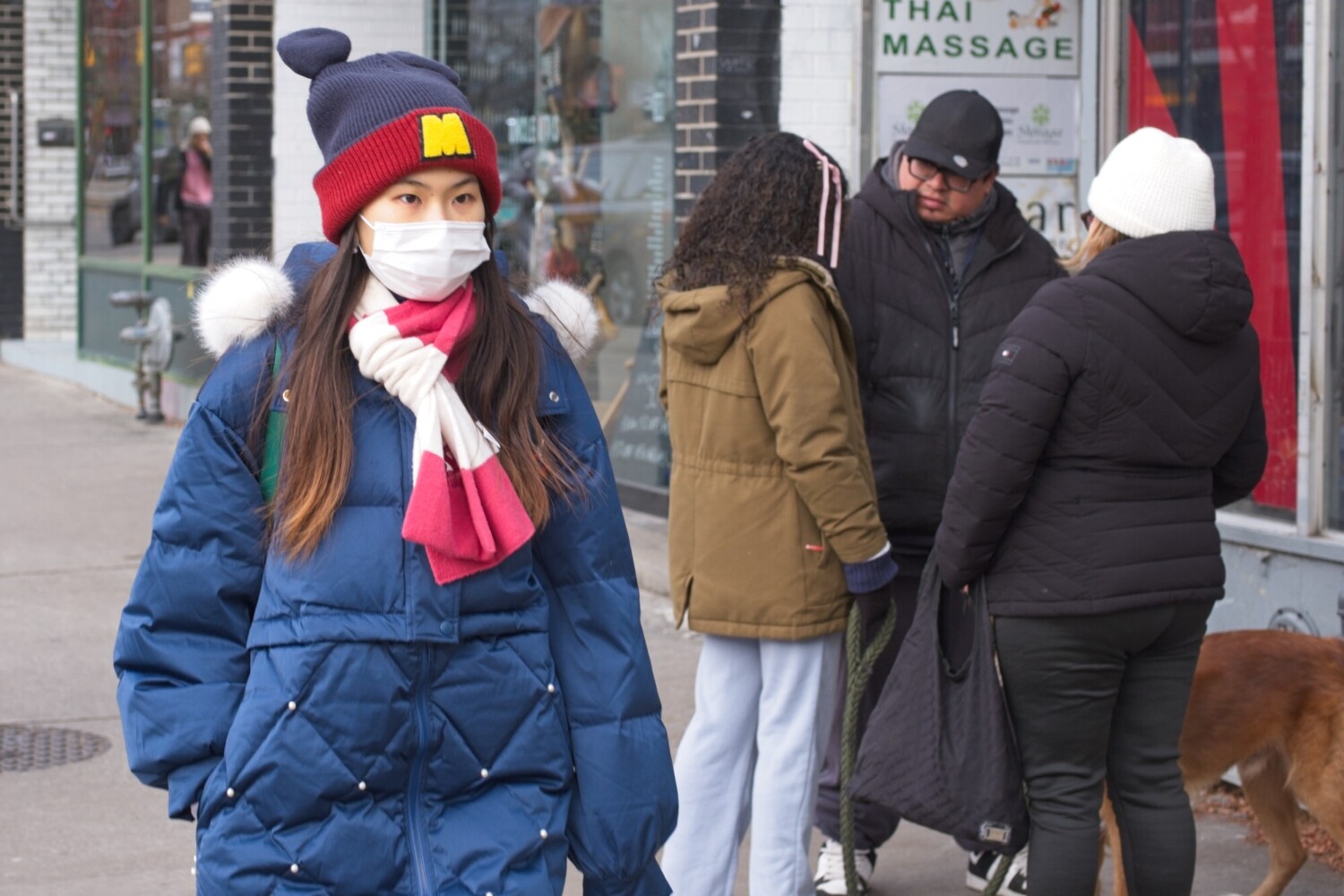
A shot of a woman walking towards me. Nothing happening. A perfect example, of an all too common shot, that is boring.
- Pay attention to distractions that weaken strong subjects. This one is easy to forget in the moment. Crop to remove or now with AI removal options available in editing software it's trivial to remove distractions in post. If possible, it's better to work the scene and get a shot without the distraction.
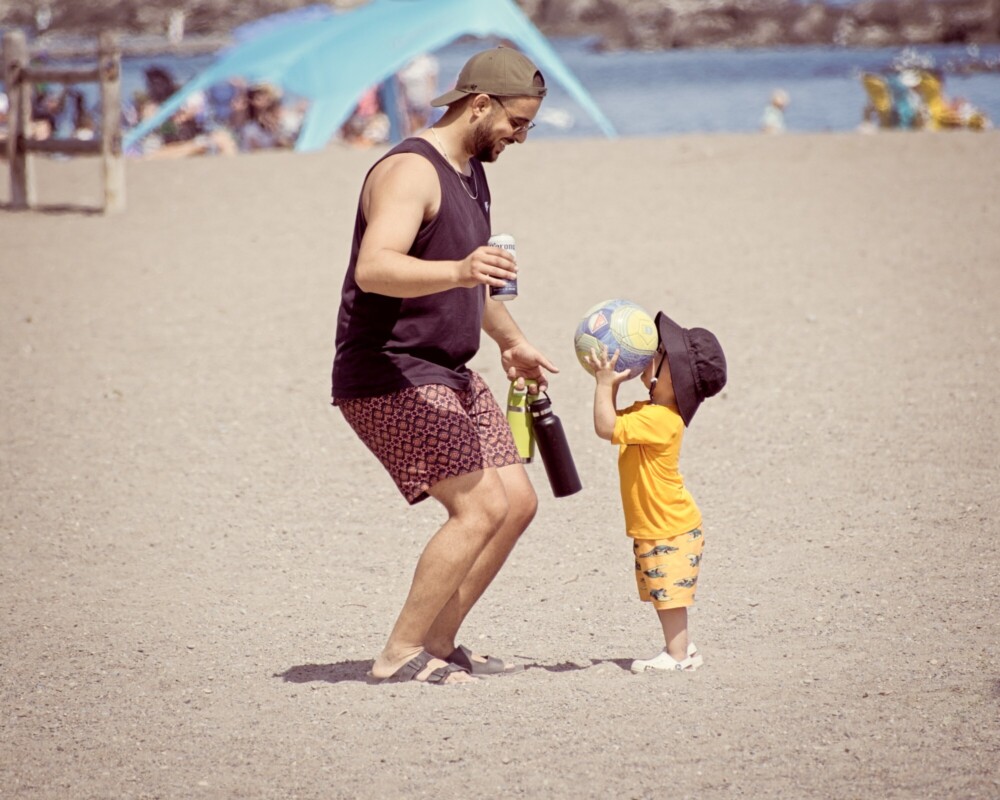
Final image, no distractions
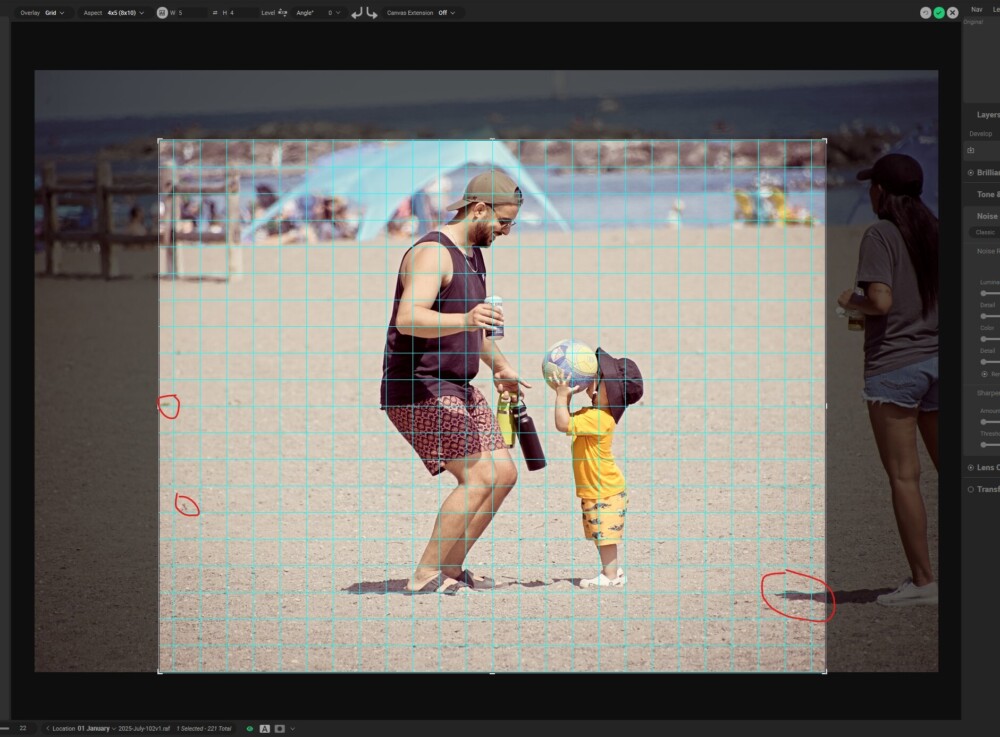
Original image cropped to remove distractions, plus eraser tool to remove distractions in the sand.
- Shoot with intention rather than spray and pray. Being deliberate helps you engage more deeply with a scene and builds confidence in your judgment at the same time. You begin to move your feet, adjust your position, and wait for elements to align rather than accepting what is immediately in front of you. You learn when to press the shutter and when to let a moment pass, and that restraint is just as important as the photograph itself.
You have to be in a place long enough for the story to reveal itself.
- Commit to using a single prime lens for at least six months. That time frame is long enough for the lens to become second nature. By removing gear decisions you are forced to engage more deeply with your surroundings, zoom with your feet, and think carefully about composition before pressing the shutter. Over time you begin to see the world in that focal length, allowing the camera to disappear so you can focus entirely on light, timing, and human behavior.
- Buying more gear or more expensive gear will not make you a better photographer. There's a time and a place for new gear. That time is when you are consistently bumping up against the limitations of your gear. Perhaps you go out at night often and your f2.8 or f4 lens is not fast enough. That would be a good time to upgrade gear.
- Break the rules once you understand them. Rules in street photography exist to give you a foundation, not to limit you. Learn them, practice them, and understand why they work. Once they are internalized you will recognize moments where following a rule would weaken the image rather than strengthen it. When that happens trust your judgment and break the rule without hesitation. Some of the most compelling photographs are made in those moments where instinct matters more than convention.
The enemy of photography is the convention, the fixed rules of "how it's done". The salvation of photography comes from the experiment.
- Spend time critically evaluating your own photos, images shared by others online, and work you encounter in photo books. Ask what works, what does not, and why. Pay attention to how light, composition, timing, and subject come together or fall apart. This habit sharpens your eye far more than passive scrolling ever will.
Critically evaluate photographs including your own. It is also okay to not like famous photographs by masters of the medium. Respect the influence and historical importance of their work, but do not feel obligated to connect with every iconic image. Your taste is part of your voice. Understanding what does not resonate with you is just as valuable as knowing what does, and both help shape the kind of photographer you want to become.
Bonus Rules
- Invest in books by photographers and read them, more than once.
My Top 3 Recommended Books
- Magnum Streetwise
- A Street Photography Manifesto - Brian Lloyd Duckett
- Think Like a Street Photographer - Matt Stuart
Suggested Articles